



We are among the world's leading fertility specialists — because we leave no stone unturned in identifying the causes, and no question unanswered.
|
Nutrition and fertility: eating well on the path to pregnancy
How a balanced diet can support a healthy pregnancy.
Why the right nutrition matters when trying to conceive — and during pregnancy.
For many couples, the desire for a child is a deeply personal phase of life — marked by hope, anticipation and, at times, uncertainty and patience. Alongside medical diagnostics and individualised care, one factor plays a particularly important yet often underestimated role: nutrition. It influences not only general well-being, but also hormonal processes, the menstrual cycle, egg and sperm quality, and the course of a pregnancy.
A conscious, balanced diet can actively help create favourable conditions for conception — and at the same time lays a valuable foundation for a healthy pregnancy.
Nutrition and fertility — why they are so closely connected
The female cycle, ovulation and hormonal regulation are finely calibrated processes. They are sensitive to external influences — including stress, sleep, physical activity and, importantly, diet. Nutritional deficiencies, significant blood sugar fluctuations or a persistently unbalanced eating pattern can promote hormonal imbalances and have a negative impact on fertility.
A nutrient-rich diet supports, among other things:
- Overall hormonal balance
- Egg maturation
- Regular ovulation
- A stable luteal phase
- Implantation of a fertilised egg
Nutrition also plays a meaningful role for men — influencing sperm quality, motility and DNA integrity.
Body weight, metabolism and the cycle
Both underweight and overweight can disrupt the hormonal cycle. A very low body fat percentage can lead to absent ovulation, while excess weight is frequently associated with insulin resistance and elevated androgen levels — factors that can interfere with the cycle.
The aim is not a specific ideal weight, but a stable metabolism. A balanced diet with complex carbohydrates, high-quality fats and sufficient protein helps stabilise blood sugar levels and reduce hormonal fluctuations.
Substances to be mindful of — what can impair fertility
Certain substances have been shown to negatively affect fertility:
- Alcohol can disrupt hormonal processes and impair egg maturation.
- Nicotine has a negative effect on uterine blood flow and egg quality.
- Caffeine should be consumed in moderate amounts.
- Environmental toxins and plasticisers (e.g. from plastics) can act as hormone disruptors.
Consciously reducing exposure to these influences is an important part of a holistic approach to preparing for pregnancy.
Essential nutrients when trying to conceive
Certain vitamins and minerals are particularly relevant for fertility and early pregnancy:
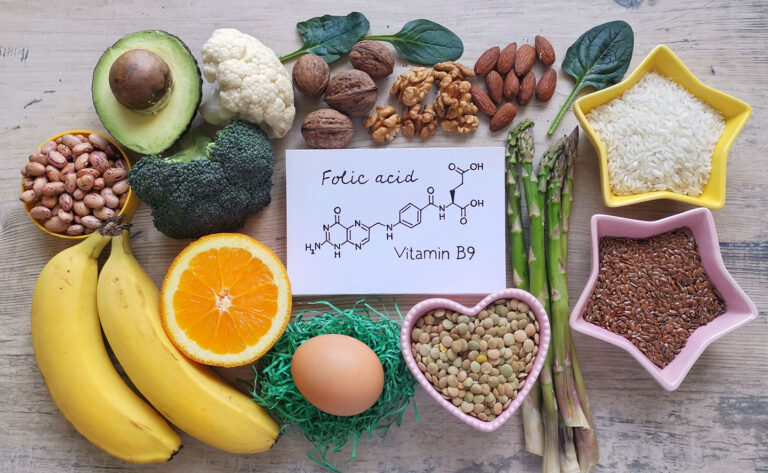
- Folic acid is essential for cell division and early embryonic development. Adequate levels should be ensured before conception.
- Vitamin D deficiency is widespread and can affect both female and male fertility.
- B vitamins play a central role in energy metabolism and hormonal regulation.
- Omega-3 fatty acids support anti-inflammatory processes, circulation and cell membrane stability.
- Iron, zinc, selenium and iodine are important for hormone production, oxygen transport and thyroid function.
Whether and in what form targeted supplementation is appropriate should be determined individually, on the basis of diagnostic findings.
Practical nutritional guidance for those trying to conceive
A fertility-supportive diet is neither complicated nor restrictive. The following principles have proven effective:
- Plenty of fresh vegetables and fruit
- High-quality protein sources (e.g. fish, pulses, eggs)
- Healthy fats from nuts, seeds, olive oil and fish
- Wholegrains rather than heavily processed carbohydrates
- Adequate hydration, preferably water
- As little highly processed food as possible
Regular meals and mindful eating additionally support a stable metabolism.
The transition from trying to conceive to pregnancy
Once pregnancy occurs, nutritional requirements gradually shift. The need for certain nutrients increases, while potentially problematic foods should be avoided. A balanced diet remains more important than “eating for two” — quality matters more than quantity.
Nutrition and male fertility
For men, too, diet can make a meaningful contribution. Antioxidants, omega-3 fatty acids, zinc and folic acid support sperm quality and protect against oxidative stress. A shared lifestyle adjustment can therefore be a valuable step for couples.
Nutrition as part of a holistic approach to fertility
Nutrition alone cannot guarantee a pregnancy — but it is a significant component within a holistic concept. In combination with precise diagnostics, fine hormonal calibration and individualised counselling, it can provide targeted support for the body.
At imi, we do not look at nutrition in isolation, but in relation to hormonal balance, metabolism, lifestyle and personal circumstances. Our goal is to give realistic, practical recommendations that strengthen the body and build confidence.
Conclusion
A conscious approach to diet can positively influence fertility and support the transition into a healthy pregnancy. It is not a rigid set of rules, but an individual path — adapted to personal circumstances and needs. Expert guidance helps to navigate that path safely and with well-founded knowledge.
 Wanting a child after 40: opportunities, challenges and modern solutions
Next article
 When fertility struggles take an emotional toll
Related article
The path to your dream child without assisted reproduction
For many couples, the desire to have a child of their own is one of life's central goals.
January 30, 2026

Could it be the man?
A semen analysis is an indispensable step in comprehensively assessing male fertility.
February 01, 2026
When fertility struggles take an emotional toll
The longing for a pregnancy can also become a significant emotional burden.
February 19, 2026